
Gentle Tooth Extraction in Rolling Wood, TX
Dental pain, damaged teeth, and persistent infections can make everyday activities uncomfortable. Emergency Dentist of Austin provides gentle tooth extraction in Rolling Wood, TX, with an emphasis on careful evaluation, patient comfort, and clear treatment guidance. Each extraction begins with understanding the dental concern and determining an appropriate approach to help patients protect their oral health.
Why Choose Emergency Dentist of Austin for Gentle Tooth Extraction in Rolling Wood, TX?
Thoughtful Care. Comfortable Dental Visits.
 Careful Evaluation Before Extraction: Emergency Dentist of Austin emphasizes assessing tooth damage, infection symptoms, and surrounding oral structures before recommending removal. Patients from Rolling Wood, TX can benefit from understanding whether an extraction is necessary and what treatment considerations may affect their dental health.
- Patient Comfort Throughout Treatment: Tooth removal can feel intimidating, particularly for individuals experiencing significant discomfort or dental anxiety. Emergency Dentist of Austin focuses on explaining the procedure, discussing appropriate pain management options, and helping patients understand what to expect during each stage of treatment.
- Clear Guidance for Recovery: Proper aftercare plays an important role in healing following a dental extraction. Emergency Dentist of Austin emphasizes practical instructions regarding bleeding control, food choices, oral hygiene, and warning signs, helping patients manage their recovery with greater confidence and fewer avoidable complications.
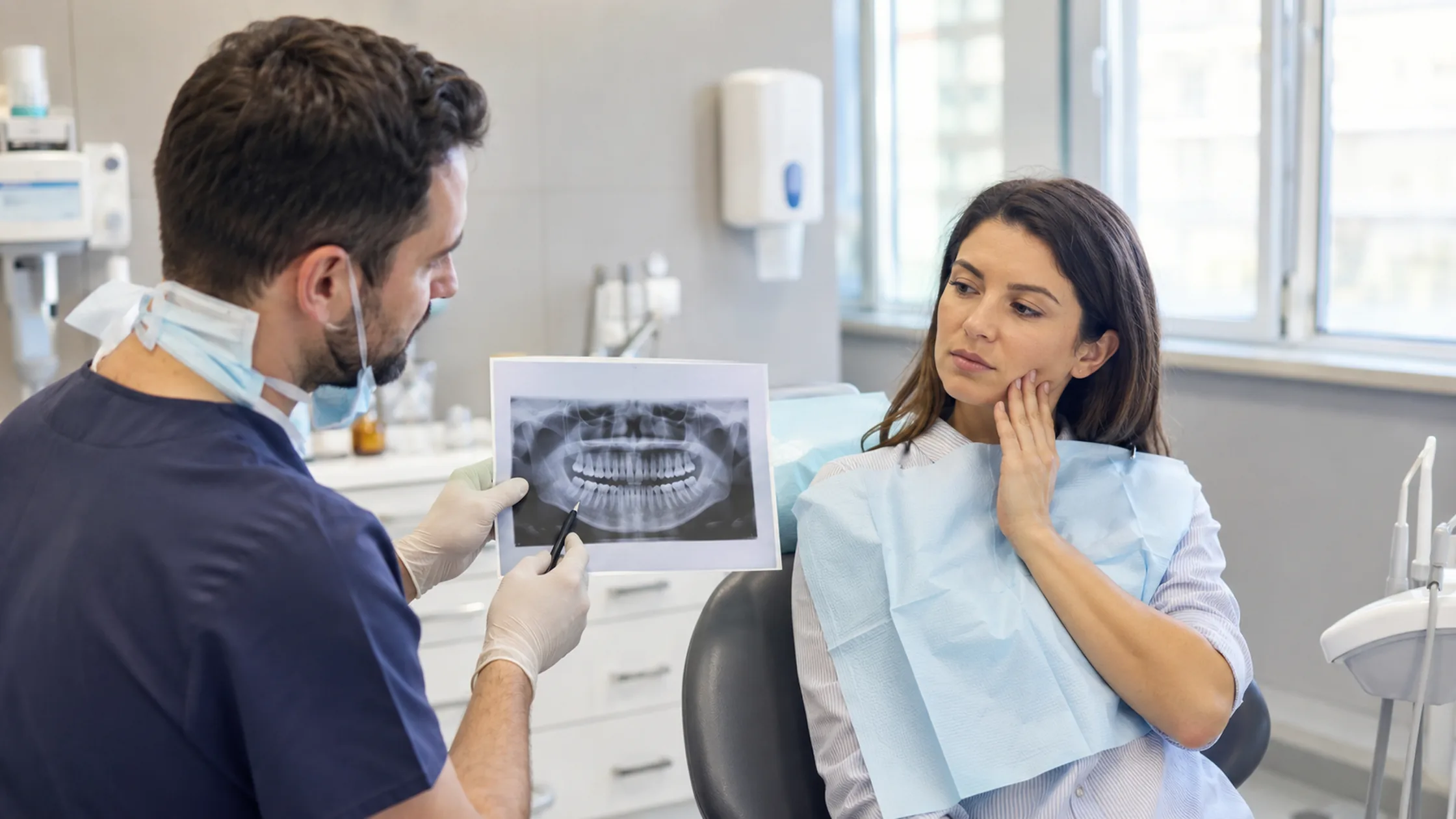

Why Is Gentle Tooth Extraction in Rolling Wood, TX Important?
Protecting Comfort and Oral Health.
- Preventing Worsening Dental Infections: Severely infected teeth can cause persistent pain, swelling, and complications when the underlying problem remains untreated. For Rolling Wood residents, timely dental evaluation helps determine whether a tooth can be preserved or requires extraction to address the source of infection.
- Maintaining Everyday Comfort and Function: Dental pain can interfere with meals, sleep, conversations, and demanding work schedules. Residents balancing family responsibilities and daily travel around the Austin area may find that addressing a severely damaged tooth helps restore comfort and reduce interruptions to normal activities.
- Protecting Surrounding Teeth and Oral Structures: A tooth with extensive decay, structural damage, or certain periodontal problems may affect nearby tissues if the condition progresses. Appropriate extraction, when preservation is no longer practical, can form part of a broader treatment plan that supports long-term oral health and future tooth replacement options.
FAQs about Emergency Dental Care
Got questions about emergency dental care? Get all the answers you need below.
When should I consider an emergency tooth extraction for severe tooth pain in Rolling Wood, TX?
Severe tooth pain accompanied by swelling, infection, or significant damage requires prompt dental evaluation. Extraction may be recommended when the tooth cannot be saved through other treatments. Emergency Dentist of Austin can assess the condition and explain whether removal or another treatment is appropriate.
What should Rolling Wood, TX residents do before a tooth extraction appointment?
Before an extraction, patients should share their medical history, current medications, allergies, and previous dental concerns. Eating or drinking instructions may vary depending on the planned anesthesia. Emergency Dentist of Austin can provide preparation guidance based on the procedure and individual health considerations.
How can I manage swelling and discomfort after a tooth extraction in Rolling Wood, TX?
Mild swelling and discomfort are common following tooth removal. Following prescribed medication instructions, using cold compresses when advised, and avoiding vigorous rinsing during the initial healing period can help. Emergency Dentist of Austin can explain appropriate aftercare and symptoms that require additional dental attention.
Don't Wait Out the Pain
